
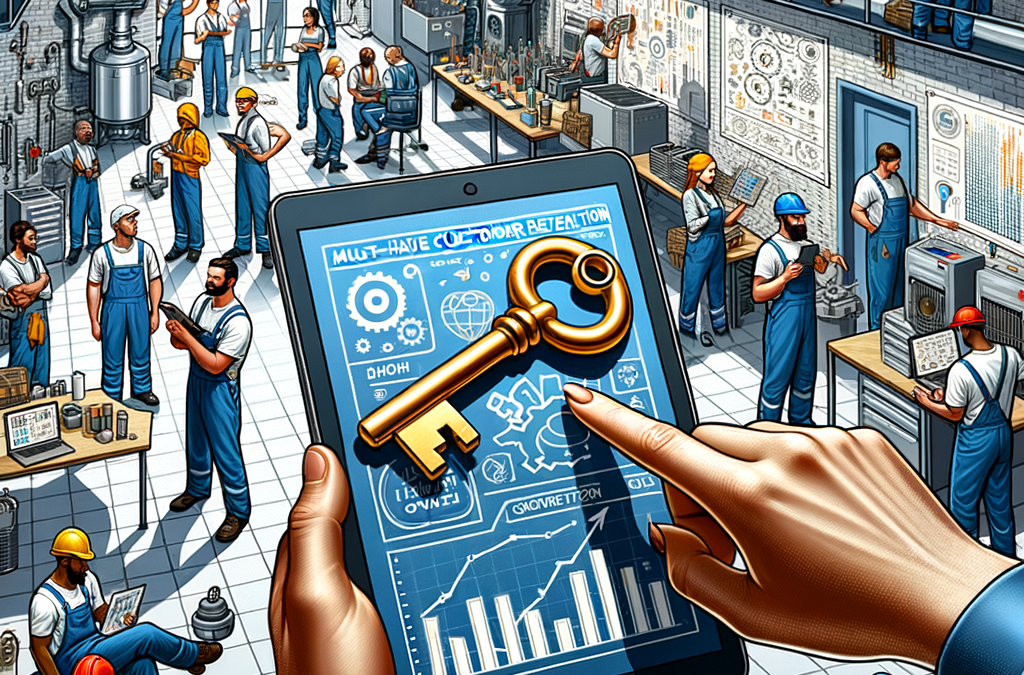
HVAC Growth Systems: Must-Have Strategies for Customer Retention
HVAC growth systems play a crucial role in the success and longevity of any heating, ventilation, and air conditioning business. In an industry characterized by fierce competition and changing customer expectations, retaining clients is not just important; it’s vital. With the right strategies in place, HVAC companies can build lasting relationships with customers, ensuring a steady stream of income while fostering brand loyalty. Below, we will explore essential strategies for customer retention, integrating innovations like HVAC automation into your business model.
Understanding HVAC Growth Systems
HVAC growth systems encompass a combination of strategies, technologies, and processes designed to scale operations while enhancing customer satisfaction. At the core of these systems lies the understanding that retaining existing clients is often more cost-effective than acquiring new ones. Therefore, implementing effective customer retention strategies is paramount.
1. Embrace HVAC Automation for Better Service Delivery
One of the most significant advancements in the HVAC industry is automation. By incorporating HVAC automation into your growth systems, you can streamline processes and enhance service delivery. Whether managing inventories, scheduling maintenance appointments, or monitoring system performance in real-time, automation can substantially reduce operational costs.
For instance, an automated scheduling system allows customers to book services according to their availability, thus providing convenience and improving customer satisfaction. Additionally, reminders for routine maintenance can be automated, which helps in retaining clients by ensuring they do not forget essential service appointments, thereby prolonging the life of their HVAC system.
2. Build a Comprehensive Customer Relationship Management (CRM) System
A well-structured CRM system is an essential component of HVAC growth systems. This tool enables businesses to manage interactions with customers comprehensively, allowing for personalized experiences that cater to each client’s unique needs.
By collecting data on customer preferences, past services, and feedback, a CRM system can help HVAC businesses tailor their offerings. For instance, if a client frequently requests service on a specific type of unit, businesses can offer promotions or maintenance tips relevant to that equipment. This personalized approach fosters a sense of value and connection that is crucial for long-term customer retention.
Importance of Exceptional Customer Service
3. Prioritize Training for Staff
Beyond technological automation, exceptional customer service is paramount in retaining clients. HVAC professionals should undergo regular training to stay updated on industry best practices and customer service techniques. Knowledgeable staff instills confidence in clients, which is a critical aspect of retention.
A positive customer service experience can turn a one-time call into a long-term relationship. Additionally, staff training should include interpersonal skills, enabling employees to handle inquiries and complaints empathetically and efficiently.
4. Implement Feedback Mechanisms
Customer feedback is invaluable for business improvement. HVAC growth systems should include mechanisms for collecting customer insights—be it through surveys, follow-up calls, or online reviews. By understanding customer experiences and concerns, businesses can take proactive steps to address issues, improving overall service quality.
A responsive approach to feedback not only resolves existing concerns but also demonstrates to clients that their opinions matter. This further reinforces their loyalty to your brand.
Offering Maintenance Contracts for Long-Term Engagement
5. Design Attractive Maintenance Plans
One effective strategy for customer retention in HVAC growth systems is offering maintenance contracts. These plans forge a long-term relationship with customers while ensuring their systems remain in optimal condition. By committing to regular maintenance, clients can benefit from lower overall costs and fewer emergency repairs.
Offering tiered maintenance plans that include varying levels of service can also cater to different customer needs and budgets. This flexibility can increase satisfaction and retention rates, as customers feel they have options designed to fit their specific requirements.
Marketing and Communication Frequency
6. Utilize Email Marketing
In this digital age, effective communication is vital for maintaining customer relationships. Implementing a solid email marketing strategy as part of your HVAC growth systems can keep your business at the forefront of customers’ minds.
Regular newsletters can provide customers with valuable tips, seasonal maintenance reminders, and exclusive offers, making it easier to engage them consistently. Personalized communication can significantly enhance customer experience, reinforcing their choice of your brand over competitors.
Conclusion
Integrating these strategies into your HVAC growth systems is essential for cultivating customer loyalty and enhancing retention. By leveraging HVAC automation, maintaining excellent service standards, and employing effective communication techniques, HVAC businesses can foster lasting relationships with their clients. In an industry that continually evolves, adapting these strategies will ensure your HVAC business remains competitive and viable in the long run. Retaining customers is not merely about providing services; it’s about creating lasting partnerships founded on trust, reliability, and exceptional service.