
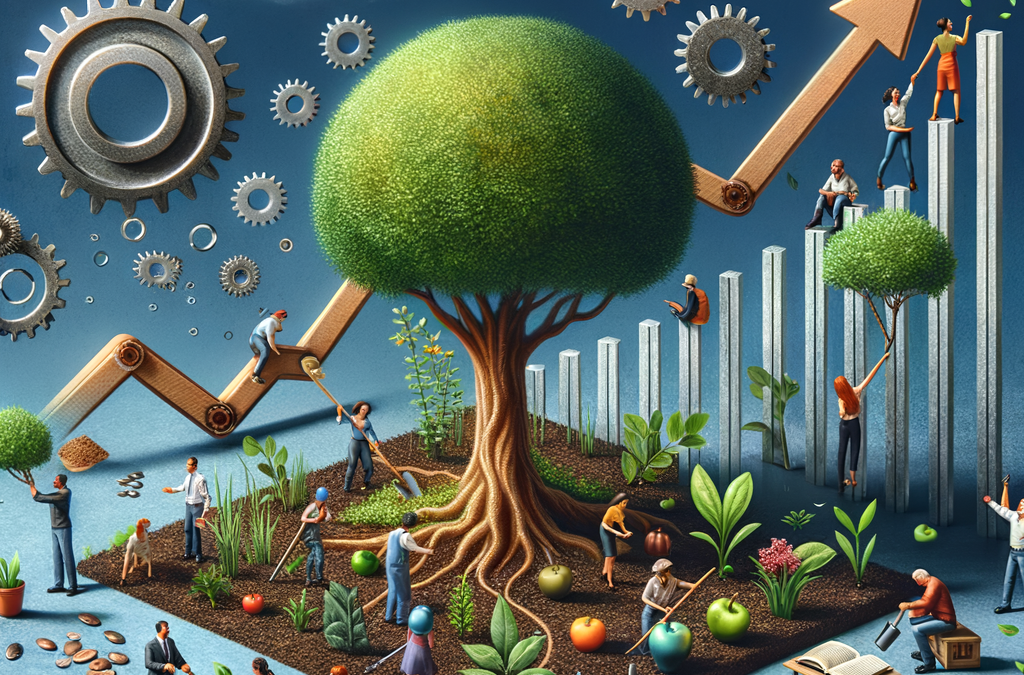
Growth Systems: A Must-Have Strategy for Effortless Business Growth
In today’s fast-paced business landscape, implementing effective growth systems has become essential for achieving scaled success and sustainable business growth. Businesses that harness the power of structured growth systems can not only optimize their efforts but also cultivate a marketplace poised for expansion. This article delves into the essential components of growth systems, offering insights on how you can leverage them for effortless growth.
Understanding Growth Systems
Growth systems can be understood as a set of structured methodologies and processes designed to facilitate continuous progress and improvement within an organization. They encompass everything from marketing strategies to operational efficiencies, ensuring that each facet of a business can adapt and thrive in a competitive environment.
One of the core aspects of growth systems is their scalability. Scalable marketing techniques integrated into these systems allow businesses to grow without facing significant limitations or bottlenecks. With the right approach, marketing efforts can multiply, generating exponential results from relatively smaller investments in time and resources.
The Importance of Scalable Marketing in Growth Systems
When incorporating growth systems into your business strategy, scalable marketing is a crucial element to consider. Unlike traditional marketing methods that may provide limited reach and return on investment, scalable marketing focuses on creating campaigns that can expand alongside your business.
1. Data-driven Decision Making: Scalable marketing relies heavily on analytics and performance metrics. By analyzing customer behavior, demographics, and engagement rates, businesses can tailor their marketing efforts effectively. Utilizing tools such as Google Analytics or HubSpot can help refine campaigns and target the right audience, leading to increased conversion rates.
2. Automation Tools: Another key aspect of scalable marketing is automation. Tools like Mailchimp, Hootsuite, or Buffer allow businesses to streamline their marketing outreach, manage multiple campaigns, and track performance seamlessly. Automation not only saves time but also ensures consistent communication with customers, a vital component of maintaining strong relationships.
3. Content Marketing: High-quality content is at the heart of any successful scalable marketing strategy. By creating valuable, engaging content that addresses customer pain points, businesses can enhance their online presence. This not just drives traffic but also nurtures leads effectively. By leveraging SEO strategies, companies can further amplify their content’s reach, positioning themselves among industry leaders.
Components of Effective Growth Systems
To build an effective growth system, a business needs to focus on several key components:
1. Vision and Goals
Establishing a clear vision and concise goals is fundamental in any growth system. Leaders must articulate what success looks like for their business and set measurable objectives to track progress. SMART (Specific, Measurable, Achievable, Relevant, Time-bound) goals provide an actionable framework to ensure alignment across all teams.
2. Feedback Loop
Developing a constant feedback loop enhances the growth system’s sustainability. Whether it’s feedback from customers or internal team assessments, collecting and analyzing feedback can identify areas for improvement and innovation. Regularly revisiting strategies based on feedback not only fosters a culture of adaptability but also empowers teams to take ownership of their contributions.
3. Cross-Functional Collaboration
Encouraging collaboration across different departments can lead to more cohesive growth strategies. Marketing, sales, and customer service teams should establish open lines of communication to share insights and experiences. This collaboration can uncover unique opportunities for cross-promotion and customer retention, enhancing overall business growth.
4. Investment in Training and Development
Investing in training and development ensures that employees are equipped with the necessary skills to contribute effectively to the growth system. Modern businesses must adapt to rapidly changing environments; thus, continuous learning should be part of the culture.
Measuring Success in Growth Systems
The effectiveness of a growth system can be assessed through specific KPIs (Key Performance Indicators). These indicators should align with your business goals and provide tangible metrics to track performance. Common KPIs for evaluating business growth include customer acquisition rates, customer retention rates, and overall revenue growth.
Conclusion: The Path to Effortless Business Growth
In conclusion, growth systems represent a must-have strategy for businesses looking to achieve effortless growth in today’s competitive market. By integrating scalable marketing into these systems, companies can streamline their processes, optimize their resources, and develop sustainable strategies for success. Establishing clear goals, fostering collaboration, and investing in employee development are foundational steps toward a thriving growth system. Embrace these principles, and watch your business flourish, without the overwhelming hurdles often associated with growth initiatives.