
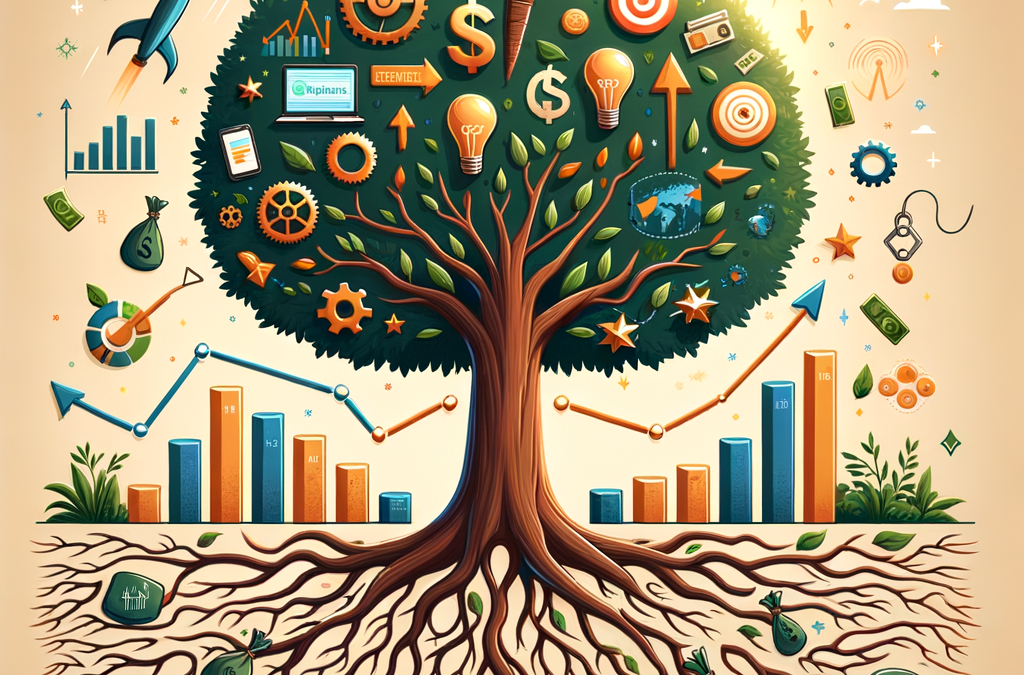
Growth Systems: The Must-Have for Effortless Business Growth
In today’s fast-paced business environment, growth systems have emerged as a cornerstone for companies aiming for effortless expansion. These comprehensive frameworks not only streamline operations but also provide a structured approach to scaling marketing efforts and driving sustainable business growth. In essence, growth systems are designed to enhance productivity, optimize resources, and create a seamless pathway to achieving business goals.
What Are Growth Systems?
Growth systems are strategic frameworks that integrate various business functions to support expansion without unnecessary complications. They encompass tools, processes, and methodologies aimed at enhancing efficiency and output across the organization. By adopting a growth system, businesses can align their marketing, sales, and operational strategies to work in harmony, ultimately fostering an environment conducive to growth.
The Components of an Effective Growth System
To truly harness the potential of growth systems, companies must focus on several critical components:
1. Automation of Marketing Processes
Scalable marketing is central to any successful growth system. By automating marketing processes, businesses can maximize efficiency, reduce human error, and capitalize on data-driven insights. For example, utilizing tools for email marketing automation allows companies to send targeted messages to specific segments of their audience, fostering engagement and nurturing leads without demanding constant manual effort.
2. Data Analytics and Reporting
Understanding performance metrics is crucial for evaluating the effectiveness of a growth system. By implementing data analytics, businesses can track key performance indicators (KPIs) and assess the success of marketing campaigns. Analytics tools provide valuable insights that can inform future strategies, ensuring that businesses can pivot and adapt in response to market changes.
3. Integration of Sales and Marketing Efforts
A successful growth system bridges the gap between sales and marketing teams. When these departments collaborate closely, businesses can synchronize efforts to identify high-value leads and convert them effectively. Clear communication and shared objectives foster a culture of teamwork, enabling companies to capitalize on opportunities quickly.
4. Customer Relationship Management (CRM) Systems
Central to any growth system is a robust CRM platform, which allows businesses to manage customer interactions throughout the entire lifecycle. This system not only helps in building strong customer relationships but also facilitates the capture of valuable data that can inform marketing strategies, ultimately leading to enhanced customer satisfaction and loyalty.
Benefits of Implementing Growth Systems
Implementing growth systems can yield profound benefits for businesses of all sizes:
Enhanced Scalability
One of the most significant advantages of growth systems is their ability to scale. As a business grows, the demand on its resources increases. A well-structured growth system is designed to expand seamlessly, allowing companies to handle higher volumes of work without compromising quality or efficiency. This scalability ensures that businesses can adapt to market fluctuations and seize new opportunities as they arise.
Improved Efficiency
By automating processes and integrating various functions, growth systems eliminate redundancies and streamline workflows. This increase in efficiency not only reduces operational costs but also frees up valuable time for employees to focus on strategic initiatives. When teams can concentrate on driving innovation rather than being bogged down by repetitive tasks, the entire organization benefits.
Increased Revenue Potential
The ultimate goal of any growth strategy is to enhance revenue. Growth systems facilitate this by providing businesses with the tools and insights needed to identify profitable opportunities and make informed decisions. Through data analysis, organizations can refine their marketing approaches, target the right customer segments, and elevate their sales strategies, leading to increased revenue potential.
Sustainable Business Growth
A focus on sustainable growth is crucial for long-term success. Growth systems empower businesses to establish a strong foundation for expansion, minimizing the risks associated with unplanned or haphazard growth strategies. By prioritizing sustainability, companies can ensure that they not only achieve short-term gains but also create a robust framework for future growth.
Tips for Successfully Implementing Growth Systems
To ensure that your growth systems are effective, consider the following tips:
1. Invest in the Right Tools
Choose technologies and platforms that align with your business goals. From CRM solutions to marketing automation tools, carefully evaluate options to find the best fit for your organization.
2. Foster a Growth Mindset
Encourage a culture that embraces change and innovation. When employees are open to new ideas and processes, they are more likely to contribute positively to the growth system.
3. Continuously Monitor and Adapt
Growth is an ongoing process. Regularly assess the effectiveness of your growth systems and be prepared to pivot when necessary to ensure continued progress.
4. Provide Training and Support
Equip your team with the knowledge and skills necessary to leverage growth systems effectively. Comprehensive training ensures that everyone understands how to use tools and processes to their fullest potential.
In conclusion, growth systems are an essential component for businesses seeking effortless expansion. By focusing on scalable marketing, operational efficiency, and data-driven decision-making, organizations can foster sustainable growth and thrive in a competitive landscape. Embracing these systems not only streamlines operations but also paves the way for increased revenue, improved customer relationships, and long-term success.