
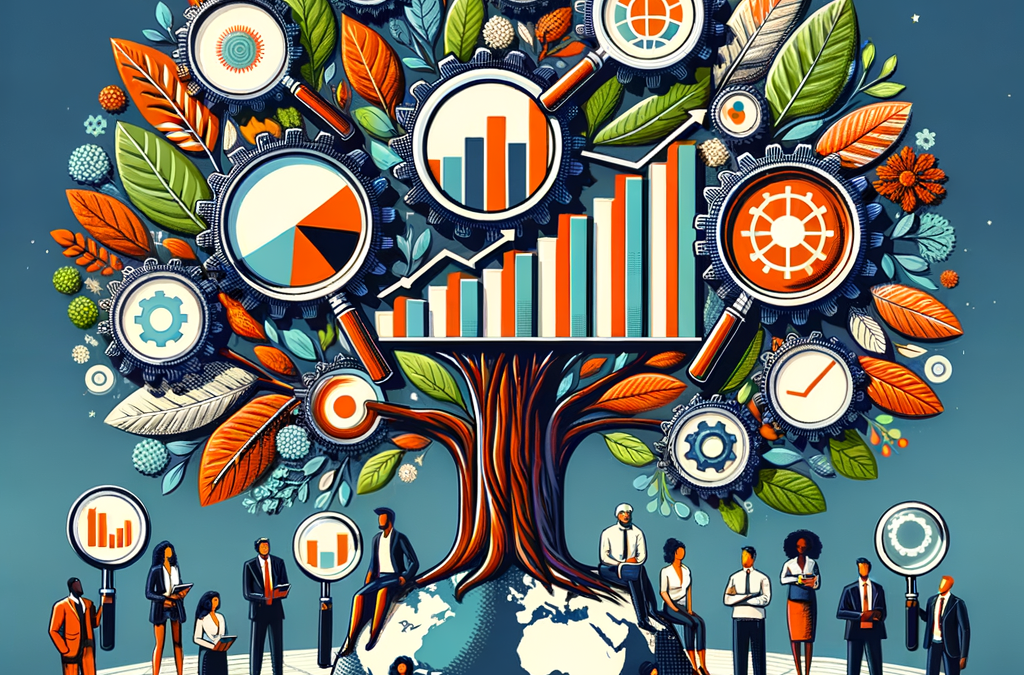
Growth Systems: Effortless Strategies for Scalable Marketing
Growth systems are essential for businesses aiming to achieve scalable marketing. These systems enable organizations to expand their reach and enhance their performance without exponentially increasing their resources. As companies evolve, the need for streamlined processes that drive growth becomes increasingly important. In this article, we will explore effective strategies that can help you harness growth systems to achieve business growth.
Understanding Growth Systems
At its core, a growth system refers to a coordinated framework designed to promote consistent and sustainable business expansion. This involves integrating various marketing tactics, data analytics, and automation tools that work together to optimize performance. A well-structured growth system allows businesses to capitalize on opportunities while mitigating risks.
The first step in developing a robust growth system is identifying the core components of your marketing strategy. This can include elements such as customer segmentation, lead generation, content marketing, and sales funnels. By defining these components, you can create a cohesive strategy that is easier to scale.
Key Strategies for Scalable Marketing
1. Leverage Data Analytics
Data analytics plays a crucial role in the effectiveness of growth systems. When you analyze customer data, you gain valuable insights about your audience’s behavior, preferences, and needs. This information can then inform your marketing strategies, ensuring that your messages and campaigns resonate with potential customers.
Implement tools like Google Analytics or customer relationship management (CRM) software to track performance metrics. Monitor what channels drive the most traffic and conversions, and focus on optimizing those. By adopting a data-driven approach, you not only improve your marketing strategies but also enhance customer satisfaction and retention.
2. Implement Marketing Automation
Another critical aspect of scalable marketing is automation. With the help of automation tools, businesses can streamline repetitive tasks such as email marketing, social media posting, and customer follow-ups. This not only saves time but also ensures consistency in your marketing efforts.
Platforms like HubSpot, Marketo, or Mailchimp offer features that allow you to automate various aspects of your marketing campaigns. For instance, email workflows can be set up so that personalized content is sent to customers based on their previous interactions. This targeted approach can significantly improve engagement and conversion rates.
3. Focus on Content Marketing
Quality content is the backbone of effective marketing. In a growth system, content marketing should be utilized not just to inform but also to engage and convert potential customers. Create a content calendar that outlines key themes and topics relevant to your audience.
Consider incorporating various formats such as blogs, videos, infographics, and podcasts. This diversification can appeal to different segments of your audience. Furthermore, SEO optimization of your content will enhance visibility and drive organic traffic, which is essential for scalable marketing.
Building Customer Relationships
As part of your growth systems, fostering strong relationships with your customers is paramount. Implementing loyalty programs and gathering customer feedback can create a sense of community and trust.
1. Customer Feedback Loops
Encourage your customers to provide feedback on your products or services. This could be through surveys or social media interactions. By treating customer feedback as a vital input to your marketing strategy, you can adapt and improve your offerings based on real-world insights.
2. Engage Through Social Media
Social media platforms are excellent for building and nurturing relationships with your customers. Regularly engage with your audience by sharing valuable content, responding to comments, and starting conversations. This engagement can lead to organic growth as satisfied customers are more likely to share their positive experiences with others.
Measuring Your Growth
Finally, the effectiveness of your growth systems must be continuously evaluated. Establish key performance indicators (KPIs) that align with your business goals. Common KPIs for marketing include conversion rates, customer acquisition costs, and return on investment (ROI).
Regularly review these metrics to identify areas for improvement. This data-driven approach allows you to adjust your strategies promptly, optimizing your growth systems to be more efficient and effective.
Conclusion
Developing effective growth systems for scalable marketing involves understanding your audience, leveraging technology, creating valuable content, and measuring your performance. By implementing these strategies, you position your business for sustainable growth in an increasingly competitive landscape. Embrace the power of growth systems, and watch your business flourish as you effortlessly scale your marketing efforts.