
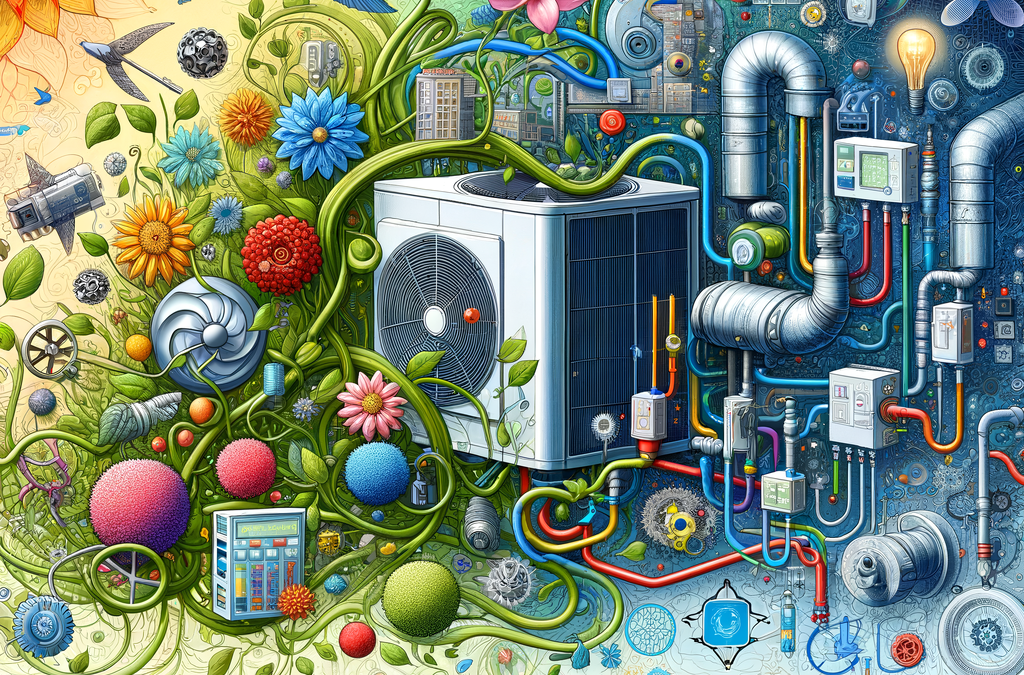
HVAC Growth Systems: Must-Have Automation for Loyal Customers
HVAC growth systems are becoming increasingly essential for businesses looking to enhance efficiency and retain customers in the highly competitive heating, ventilation, and air conditioning market. As technology continues to evolve, integrating automation into HVAC practices is no longer just an option; it’s a necessity. In this article, we will explore how HVAC growth systems can drive customer retention, improve operational efficiency, and ensure businesses stay ahead in the fast-paced industry.
Understanding HVAC Growth Systems
HVAC growth systems refer to the strategies and technologies employed by HVAC businesses to optimize performance and streamline operations. This includes adopting cloud-based tools for management, predictive maintenance through IoT devices, and automated scheduling systems. The ultimate goal of these systems is to create a seamless experience for both the business and its customers.
By leveraging HVAC automation, businesses can manage their inventory, keep track of equipment performance, and enhance service delivery, which all contribute to improving customer satisfaction and loyalty. Customers today expect not just quality service but also a responsive and efficient experience. Meeting these expectations is what differentiates industry leaders from their competitors.
The Role of HVAC Automation in Business Efficiency
When it comes to boosting operational efficiency, HVAC automation plays a pivotal role. This technology simplifies routine processes, allowing businesses to focus on delivering superior service. With automated scheduling systems, businesses can efficiently allocate resources, ensuring that technicians arrive on time and with the necessary tools for each job.
Moreover, automation enables predictive maintenance, which allows technicians to address potential issues before they escalate into significant problems. By analyzing data from connected devices, companies can identify patterns that indicate maintenance needs. This capability not only enhances customer satisfaction by preventing service interruptions but also extends the lifespan of equipment, saving companies money in the long run.
Enhancing Customer Retention Through Automation
Customer retention should be a top priority for any HVAC company. In an industry where competition is fierce, maintaining loyal customers is crucial for sustainable growth. HVAC growth systems contribute significantly to this aspect by creating a more personalized customer experience.
Automated customer communication systems can send timely reminders for maintenance checks or filter replacements, significantly reducing the chances of missed appointments. By keeping customers informed, businesses build trust and establish themselves as reliable partners in maintaining a comfortable environment.
Additionally, automation allows companies to create tailored marketing campaigns based on customer data. Understanding customer preferences and service history enables businesses to send targeted promotions, ultimately fostering loyalty. Personalized communication makes customers feel valued, encouraging them to remain with a service provider rather than switching to competitors.
The Competitive Edge of Implementing HVAC Growth Systems
Incorporating HVAC growth systems not only ensures operational efficiency but also provides a competitive edge in the market. Companies that utilize automation tools can react quickly to service requests, minimize response times, and enhance overall service quality, all of which contribute to a positive customer experience.
Moreover, data collected through these systems can inform business decisions. Analytics can reveal trends in customer behavior, enabling businesses to adapt their services to meet evolving needs. By staying attuned to customer preferences and market trends, HVAC companies can make informed decisions that position them ahead of their competitors.
The Future of HVAC Automation
The future of HVAC automation looks bright, driven by advancements in technology. As artificial intelligence and machine learning continue to evolve, HVAC growth systems will become even more sophisticated. Businesses should remain proactive in adopting new technologies to harness these trends effectively.
Moreover, as energy efficiency becomes a significant concern for consumers, companies that invest in innovative HVAC growth systems will be better equipped to meet increasing demands. By integrating smart technologies that analyze energy consumption and suggest improvements, businesses not only align with consumer values but also contribute to a more sustainable future.
Conclusion
In summary, the integration of HVAC growth systems and automation is critical for businesses looking to enhance operational efficiency and foster customer loyalty. By prioritizing automated processes and utilizing data-driven strategies, HVAC companies can ensure they meet customer expectations and stay competitive in a rapidly changing market. As we move towards a more tech-driven future, those who adapt will inevitably thrive, creating lasting relationships with a loyal customer base. Embracing HVAC growth systems is no longer just an option; it’s a fundamental strategy for success in the industry.