- Understanding Staff Burnout
- The Rising Need for Intervention
- Redistribute Tasks: The Key to Relief
- Role of AI in Task Redistribution
- How AI Receptionists Transform Workspaces
- Enhanced Efficiency
- Consistency and Accuracy
- Cost-Effective Solutions
- Scalability and Adaptability
- The Human Element: Complementing AI with Empathy
- Combining AI with Human Oversight
- Monitoring and Continuous Improvement
- Real-World Success Stories
- Preparing for Implementation
- Training and Support
- Embracing the Future of Work
- Conclusion
Staff Burnout Reduction: Discover Effortless AI Receptionists
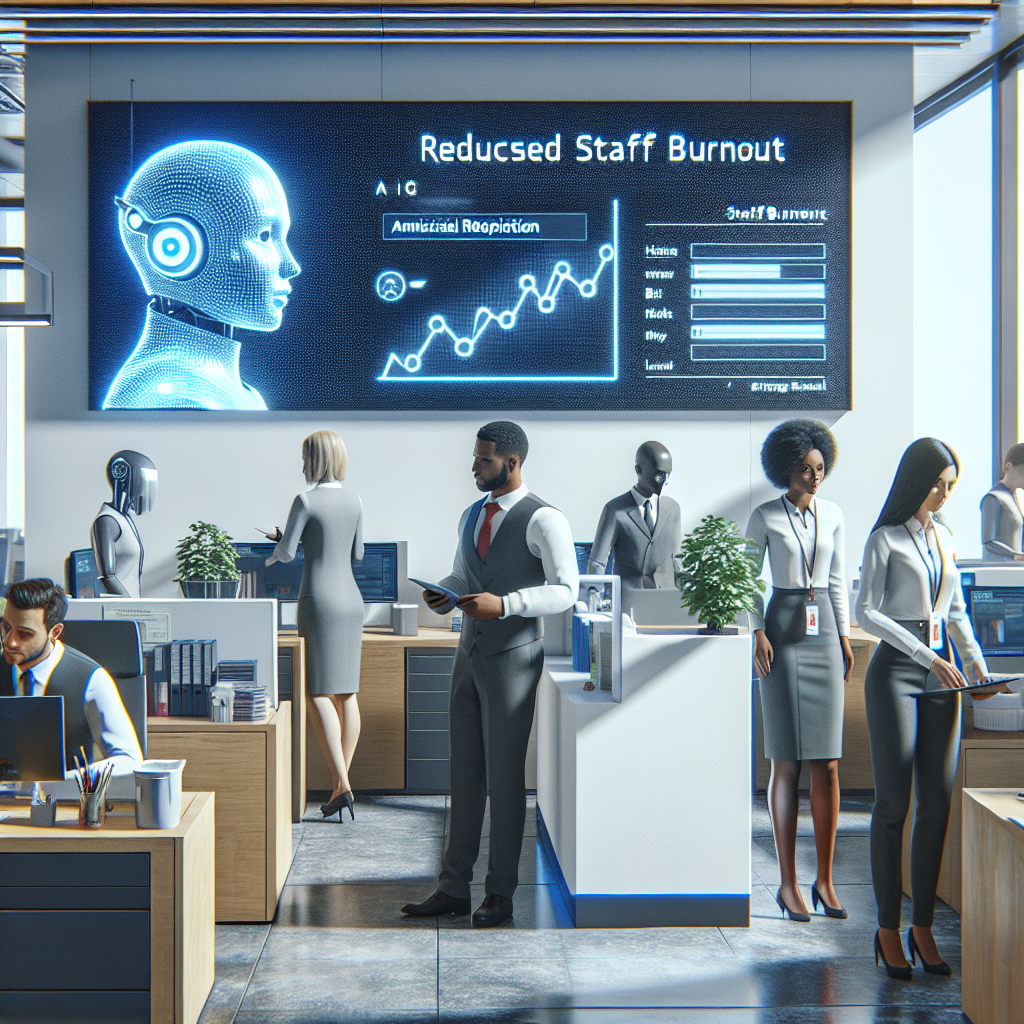
In today’s fast-paced business landscape, staff burnout reduction has become a critical concern for organizations worldwide. As demands increase, employees often find themselves overwhelmed, leading to decreased productivity and morale. However, emerging technologies like AI receptionists offer promising solutions by redistributing tasks traditionally managed by human resources. This article delves into the transformative role of AI receptionists and how they contribute to alleviating staff burnout.
Understanding Staff Burnout
Before exploring solutions, it’s essential to understand what staff burnout entails. Characterized by emotional exhaustion, reduced performance, and feelings of cynicism, burnout spans across industries, affecting both employees and organizations. It’s often the result of prolonged stress and excessive workplace demands. Understanding its roots is the first step towards developing effective strategies for alleviation.
The Rising Need for Intervention
The repercussions of burnout are far-reaching. Organizations face high turnover rates, increased sick leave, and reduced employee engagement. Consequently, the need for intervention has never been more significant. Businesses are now looking towards innovative methods to mitigate the strain on their workforce and enhance overall wellbeing.
Redistribute Tasks: The Key to Relief
Redistributing tasks can significantly alleviate the pressure on overburdened staff. By reassigning certain responsibilities, employees can focus on core duties, reducing stress levels and improving output. This strategic redistribution not only benefits the staff but also enhances organizational efficiency.
Role of AI in Task Redistribution
Incorporating AI technology into the workplace is becoming a popular route for redistributing tasks. AI tools can handle repetitive and time-consuming activities, freeing up employees to engage in more meaningful and creative work. This shift enables companies to maximize the potential of their human resources while simultaneously benefiting from technological advancements.
How AI Receptionists Transform Workspaces
AI receptionists, powered by sophisticated algorithms, represent a cutting-edge approach to task redistribution. These virtual helpers manage tasks such as answering calls, scheduling appointments, and managing inquiries. Here’s how they contribute to staff burnout reduction:
Enhanced Efficiency
AI receptionists can handle multiple tasks simultaneously, ensuring prompt responses and seamless scheduling. Their ability to operate 24/7 means no missed calls or appointments, enhancing customer satisfaction and operational efficiency.
Consistency and Accuracy
Human errors can lead to additional stress and workflow disruptions. AI receptionists reduce these risks by providing consistent and accurate information management. This reliability diminishes the cognitive load on employees, aiding in burnout reduction.
Cost-Effective Solutions
Implementing AI receptionists can be a cost-effective strategy for businesses. While the initial investment might seem substantial, the long-term benefits, including reduced turnover and decreased absenteeism, yield significant savings.
Scalability and Adaptability
AI technologies are scalable and adaptable to various business needs. Whether a small enterprise or a large corporation, AI receptionists can be tailored to suit specific operational requirements. Their flexibility ensures that businesses can adjust their functionalities according to evolving demands, ensuring sustained effectiveness in alleviating employee burnout.
The Human Element: Complementing AI with Empathy
While AI receptionists present numerous benefits, the human touch remains crucial. Implementing AI should not replace personal interaction but rather complement it. This balance is necessary to ensure employees feel valued and supported, preserving morale and fostering a positive workplace culture.
Combining AI with Human Oversight
AI receptionists should work alongside human employees, allowing people to oversee and manage complex, nuanced interactions that require emotional intelligence. This collaboration ensures that technology enhances but does not overshadow human contribution.
Monitoring and Continuous Improvement
To maximize the benefits of AI receptionists, it’s vital to continuously monitor their performance and impact on staff well-being. Feedback loops involving employees and customers can provide insights into areas for improvement, ensuring AI solutions remain aligned with organizational goals.
Real-World Success Stories
Several companies have successfully implemented AI receptionists to foster staff burnout reduction. For instance, a healthcare provider integrated AI to manage appointment scheduling and patient inquiries, resulting in a notable decrease in administrative workload and an improvement in employee satisfaction scores.
Preparing for Implementation
Before adopting AI receptionists, organizations should assess their readiness for such a transformation. This involves understanding current technological infrastructures, determining potential challenges, and educating employees on how AI will redefine their roles.
Training and Support
Providing adequate training and support is crucial for a smooth transition. Employees must be equipped with the necessary knowledge and skills to collaborate effectively with AI systems, ensuring a seamless integration process.
Embracing the Future of Work
The rise of AI receptionists marks a significant shift in how businesses approach task management and employee well-being. By embracing these technologies, companies can lead the way in staff burnout reduction, cultivating environments where employees thrive and contribute to organizational success.
Conclusion
In conclusion, staff burnout reduction is achievable through strategic task redistribution enabled by AI receptionists. While automation and technology offer transformative benefits, balancing them with human insights ensures a harmonious and effective workplace. As organizations embark on this journey, the potential for enhanced productivity, satisfaction, and growth becomes not just a possibility, but a reality.
By addressing and mitigating factors contributing to burnout, companies can foster healthier, more resilient workforces, paving the way for a bright and balanced future.